Signed in as:
filler@godaddy.com

Process improvement and lean transformation lead for A330 LR FTE Wing Assembly. Value added analysis and lean manufacturing introduction with Airbus Lean Production System (ALPS).
Airbus, UK
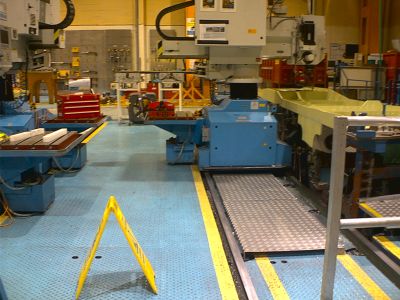
Airbus Lean Production System, ALPS was an active support function to Airbus in the UK. It was used to blitz areas of the organisation that required focus or transformation. A330 LR FTE Stage 2 was targetted for improvement in a bid to identify waste and inroduce improvements to allow a shift reduction from 18 to 12 per build. This conincided with Airbus offering this build to Tender with GKN, SAAB and other key aerospace assembly organisations reviewing the opportunity.
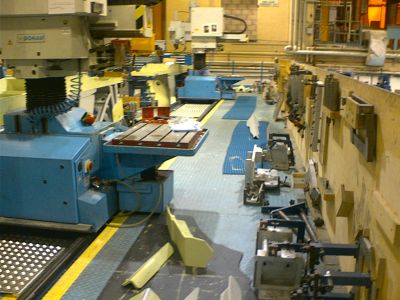
It was the perfect storm of heavy assembly, high value heavy parts, highly skilled labour, and no room for design changes. This lean transformation was all about waste, and we had to work with what we had.
Some of the challenges included:
• Physical size of the layout for 1 build was enormous, with 2 storey manufacture requiring work and access from topside and underside.
• Risk of injury with workers potentially falling through jigs, tools/parts dropping.
• High variety of dedicated high cost tools, some rarely replaceable. Single sets of tooling shared between the 6 manufacturing cells. Calibration and testing was paramount taking tools out of service typically causing downtime.
• Time served highly skilled aero workforce, limited flexibility or addition for backup.
• Design and sometimes processing constrained and frozen by approval with aviation authorities and regulators.
• High value components coated and paint protected.
• Everything is superzise, parts and components are heavy, access to 2 floor is manual stairway from kitting trolleys.
• Single Overhead crane servicing 6 other Stage builds.

Working within ALPS, the Manufacturing Engineer engaged supervision and operators to observe and analyse a complete 18-shift build cycle. Approved video observation helped capture the real process, allowing waste, movement, waiting and tooling constraints to be reviewed collaboratively with the people performing the work.
Improvements included:
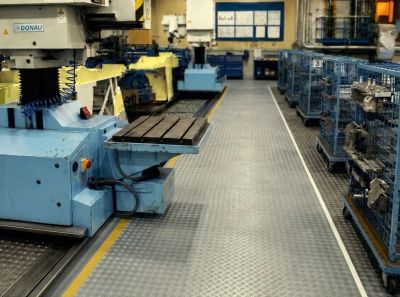
The Stage 2 build cycle was reduced from 18 shifts to 12 shifts—a 33% improvement—bringing the operation into alignment with the target build cycle of the surrounding manufacturing stages.
The improved manufacturing system also enabled the night shift to be removed, while providing better tooling availability, reduced waiting, improved workplace organisation, safer changeovers and more effective movement of people and equipment.
The Stage 2 work was subsequently transferred to GKN as part of Airbus's wider sourcing strategy.